
You had drinks last night and need to drive this morning. Or you’re wondering when you’ll pass a breathalyzer test. Maybe you’re just curious about how your body actually processes alcohol. Whatever brought you here, understanding alcohol metabolism helps you make better decisions about drinking and its aftermath.
The short answer: your body eliminates alcohol at roughly 0.015% BAC per hour, meaning a BAC of 0.08% takes about 5-6 hours to clear completely. But the full picture involves many factors affecting how quickly you get drunk and how long alcohol remains detectable in your system.
How Your Body Processes Alcohol
Absorption: Getting Into Your Blood
When you drink, alcohol absorbs through your stomach lining (about 20%) and small intestine (about 80%) into your bloodstream. This process begins within minutes of your first sip. Absorption rate varies based on stomach contents, drink strength, and individual factors. Peak blood alcohol concentration typically occurs 30-90 minutes after your last drink, though this varies significantly.
Metabolism: Breaking It Down
Your liver does the heavy lifting, metabolizing about 90-95% of consumed alcohol. Enzymes called alcohol dehydrogenase (ADH) convert alcohol to acetaldehyde (a toxic compound that causes hangover symptoms), then aldehyde dehydrogenase (ALDH) converts acetaldehyde to acetate, which breaks down into water and carbon dioxide. This process happens at a relatively fixed rate regardless of how much you’ve consumed.
Elimination: Clearing Your System
The remaining 5-10% of alcohol leaves your body through breath, sweat, and urine—which is why breathalyzers work. Elimination follows what scientists call zero-order kinetics: your body processes alcohol at a constant rate regardless of concentration. This rate averages about 0.015-0.017% BAC per hour for most people, though individual variation exists.
The Numbers: How Long Until You’re Sober
Standard Elimination Rate
At approximately 0.015% BAC eliminated per hour, here’s roughly how long different BAC levels take to reach zero: 0.05% BAC takes about 3-4 hours, 0.08% BAC takes about 5-6 hours, 0.10% BAC takes about 6-7 hours, 0.15% BAC takes about 10 hours, and 0.20% BAC takes about 13 hours. These are estimates—your actual rate may be slightly faster or slower.
What This Means Practically
If you stop drinking at midnight with a BAC of 0.12%, you won’t reach 0.00% until roughly 8 AM. If you stopped at 2 AM at the same level, you’re looking at 10 AM. Heavy drinking that produces higher BAC levels can mean alcohol remains in your system well into the next afternoon. The math is straightforward but often produces surprising results for people who assume they’ll be “fine by morning.”
Why You Can’t Speed It Up
Coffee doesn’t sober you up—it makes you a more alert drunk. Cold showers don’t work. Exercise doesn’t significantly accelerate metabolism. Food after drinking doesn’t help (though it helps before drinking). Your liver processes alcohol at its fixed rate regardless of what you do. Time is the only reliable cure. Anyone claiming otherwise is selling something that doesn’t work.
Factors That Affect Your BAC
Body Weight and Composition
Larger people generally reach lower BAC levels from the same amount of alcohol because they have more blood volume to dilute it. Body composition matters too: muscle tissue contains more water than fat tissue, so two people of the same weight may have different BAC responses based on their muscle-to-fat ratio. More water in your body means more dilution of alcohol.
Biological Sex
Women typically reach higher BAC levels than men from equivalent drinks, even accounting for weight differences. Women generally have lower levels of alcohol dehydrogenase, less body water (more body fat percentage), and hormonal fluctuations that affect metabolism. These biological differences mean women often feel alcohol’s effects more strongly from fewer drinks.
Food in Your Stomach
Drinking on a full stomach dramatically slows absorption. Food—especially protein and fat—keeps alcohol in your stomach longer, releasing it gradually into your small intestine rather than all at once. This means lower peak BAC and more gradual intoxication. Drinking on an empty stomach does the opposite: rapid absorption, higher peak BAC, and faster impairment.
Drinking Speed
Your liver can only process about one standard drink per hour. Drinking faster than this rate causes alcohol to accumulate in your bloodstream faster than it’s eliminated, driving BAC higher. Pacing your drinks to roughly one per hour keeps absorption and elimination roughly balanced. Shots, drinking games, and rapid consumption overwhelm your liver’s processing capacity.
Alcohol Concentration
Higher-concentration drinks absorb faster initially. A shot of whiskey hits your bloodstream quicker than the equivalent alcohol in beer, even though total alcohol content may be similar. However, very high concentrations can actually slow absorption by irritating the stomach lining. Carbonated drinks may absorb slightly faster than flat ones.
Genetics and Tolerance
Genetic variations affect enzyme levels and thus metabolism rates. Some people of East Asian descent have genetic variants that affect ALDH function, causing uncomfortable flushing responses. Regular drinkers develop functional tolerance—they feel less impaired at the same BAC—but this doesn’t mean they metabolize alcohol faster. Tolerance affects perception of impairment, not actual BAC or driving ability.
Detection Windows by Test Type
Breath Tests
Breathalyzers detect alcohol only while it’s actively in your bloodstream—roughly 12-24 hours after heavy drinking, though most people clear alcohol much faster. Breath tests measure current impairment and are the standard for roadside testing and most monitoring programs. They provide real-time data about your current state but don’t reveal past drinking.
Urine Tests (Standard)
Standard urine alcohol tests detect alcohol for about 12-24 hours after drinking. Urine tests are slightly less precise than breath tests for measuring current impairment because urine concentrations lag behind blood concentrations. However, they’re useful when breath testing isn’t practical and provide a somewhat longer detection window.
EtG Urine Tests
Ethyl glucuronide (EtG) tests detect a metabolite of alcohol for 48-80 hours after drinking—far longer than alcohol itself remains detectable. EtG tests reveal whether someone drank recently but don’t measure current impairment or quantity consumed. They’re sensitive enough to detect incidental alcohol exposure from mouthwash or hand sanitizer, which can cause false positives.
Blood Tests
Blood tests provide the most accurate BAC measurement and detect alcohol for about 6-12 hours after drinking. They’re the gold standard for precision but require medical personnel and laboratory analysis. Blood tests are common in hospital settings after accidents and sometimes used for legal confirmation of breath test results.
Hair Tests
Hair follicle tests can detect chronic alcohol use patterns over approximately 90 days. They don’t reveal recent single drinking episodes well but show long-term consumption patterns. Hair tests are used in some custody evaluations, employment screening, and legal situations where demonstrating extended sobriety matters.
PEth Blood Tests
Phosphatidylethanol (PEth) tests detect alcohol consumption over 3-4 weeks. Unlike EtG, PEth is highly specific to alcohol consumption and not triggered by incidental exposure. These tests reveal drinking patterns rather than current impairment, making them useful for monitoring sustained sobriety over time.
Common Myths About Sobering Up
Myth: Coffee Sobers You Up
Caffeine makes you feel more alert but doesn’t affect your BAC or impairment level. You become a wide-awake drunk rather than a sober person. Studies show caffeine may actually increase risk-taking behavior by masking the sedative effects of alcohol while leaving coordination and judgment impaired. Don’t trust coffee to make you safe to drive.
Myth: Eating After Drinking Helps
Food helps before and during drinking by slowing absorption, but eating after you’ve already absorbed the alcohol does little. The alcohol is already in your bloodstream. Late-night pizza might settle your stomach and provide some comfort, but it won’t lower your BAC or speed up sobering. The time to eat is before you start drinking.
Myth: Exercise Burns Off Alcohol
While exercise slightly increases metabolism and breathing rate (potentially eliminating marginally more alcohol through breath), the effect is negligible. Your liver still processes alcohol at essentially the same rate. Exercise while intoxicated also increases injury risk due to impaired coordination and judgment. It’s not an effective sobering strategy.
Myth: You Can Tell When You’re Sober
Feeling sober and being sober are different things. Functional tolerance means regular drinkers may feel relatively normal at BAC levels that still impair driving ability. Judgment is among the first things alcohol impairs, making self-assessment unreliable. The only way to know your actual BAC is to test it objectively with a breathalyzer.
The Bottom Line
Your body eliminates alcohol at a fixed rate of roughly 0.015% BAC per hour—nothing speeds this up. A night of heavy drinking can leave alcohol in your system well into the next day. Factors like weight, biological sex, food intake, and drinking speed affect how high your BAC rises, but not how fast it falls.
The only reliable way to know when you’re truly sober is to measure your BAC objectively. Feeling fine, drinking coffee, eating food, and taking cold showers don’t change the underlying reality that only time clears alcohol from your system. Plan accordingly, especially when driving is involved.
|
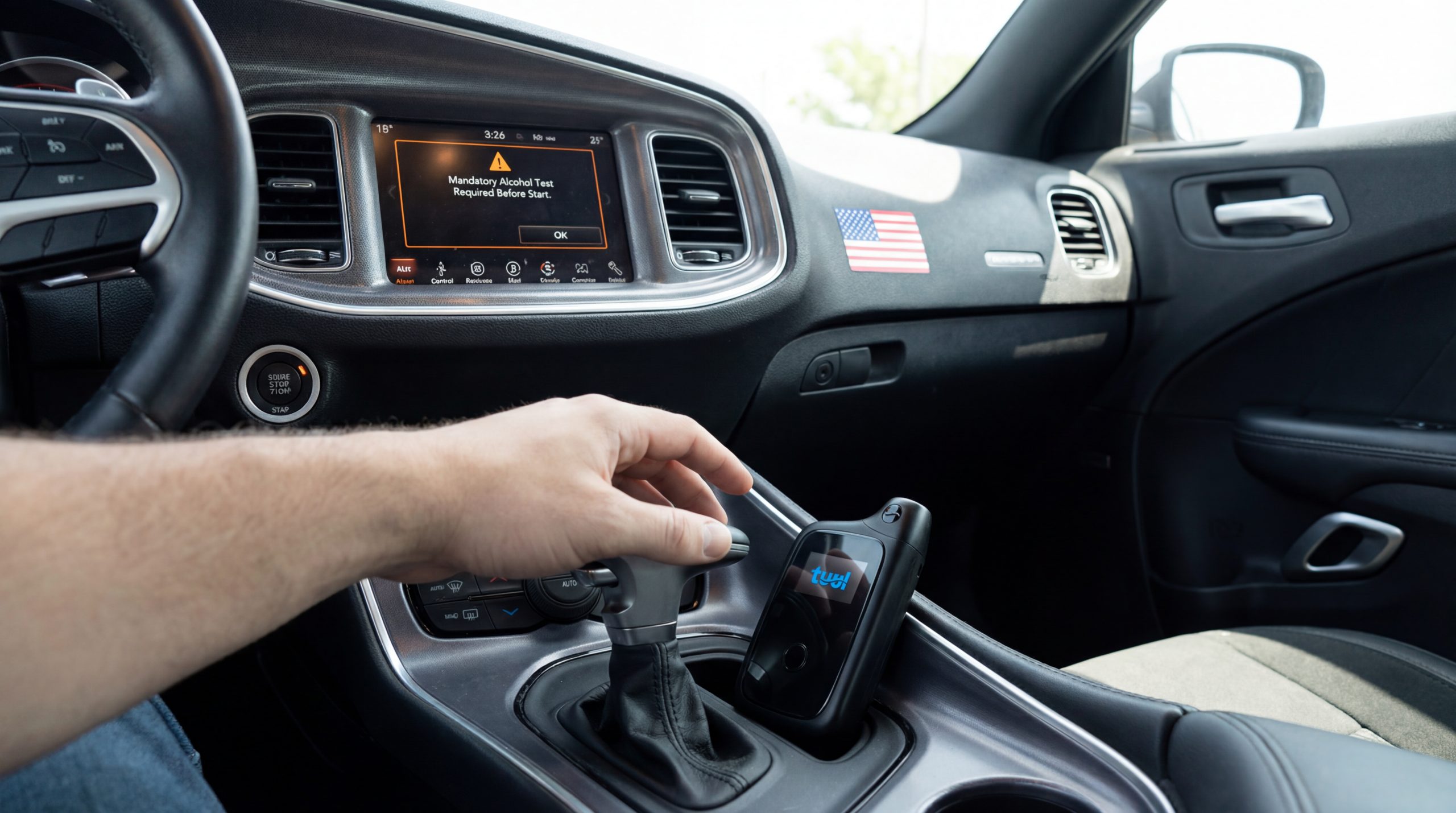
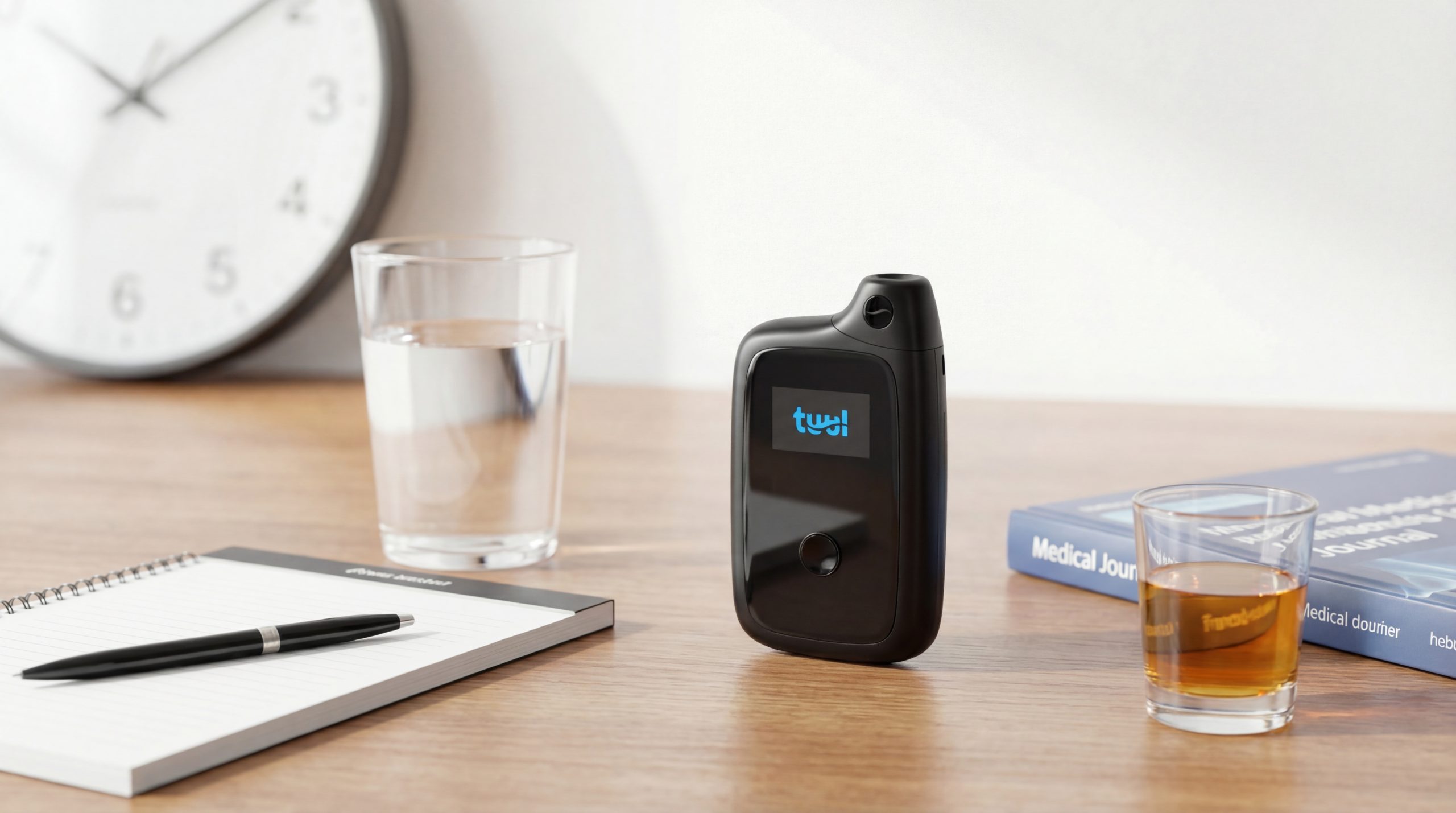
Know Your BAC, Don’t Guess The Tuul Breeze is a professional-grade portable breathalyzer that tells you exactly where you stand. Stop guessing whether you’ve sobered up enough to drive. A quick test gives you the objective data you need to make safe decisions. |
Frequently Asked Questions
How many hours after drinking can I drive?
It depends entirely on how much you drank and your peak BAC. A rough guideline: allow one hour per standard drink plus one additional hour, but this is only an estimate. The safest approach is testing your BAC with a breathalyzer before driving. If you can’t test, err on the side of waiting longer or using alternative transportation.
Why do I still feel drunk in the morning?
If you drank heavily, you may still have alcohol in your system the next morning—you’re not hungover, you’re still intoxicated. Someone who stops drinking at 2 AM with a BAC of 0.20% won’t reach zero until approximately 3 PM the next day. Morning-after impairment is more common than people realize after heavy drinking.
Does drinking water help you sober up faster?
Water doesn’t speed up alcohol metabolism, but it helps with hydration that affects how you feel. Staying hydrated reduces some hangover symptoms and supports overall body function. Drink water for comfort and hydration, but don’t expect it to lower your BAC any faster than time alone.
Can I fail a breathalyzer the morning after drinking?
Absolutely. Depending on how much you drank and when you stopped, you may still have measurable BAC the next morning. Many DUI arrests happen the morning after because people assume they’ve sobered up when they haven’t. If you drank heavily, test yourself before driving or wait until you’re confident significant time has passed.
Is 0.00% BAC the only safe level to drive?
Impairment begins below the legal limit of 0.08%. Studies show reaction time and judgment are affected starting around 0.02-0.04% BAC. While you may legally drive below 0.08%, you’re safest at 0.00%. If you’re close to the legal limit, you’re already impaired even if you wouldn’t be arrested. The safest choice is waiting until you test at zero.